

How Hydro Excavation Supports Large Industrial Site Maintenance Projects
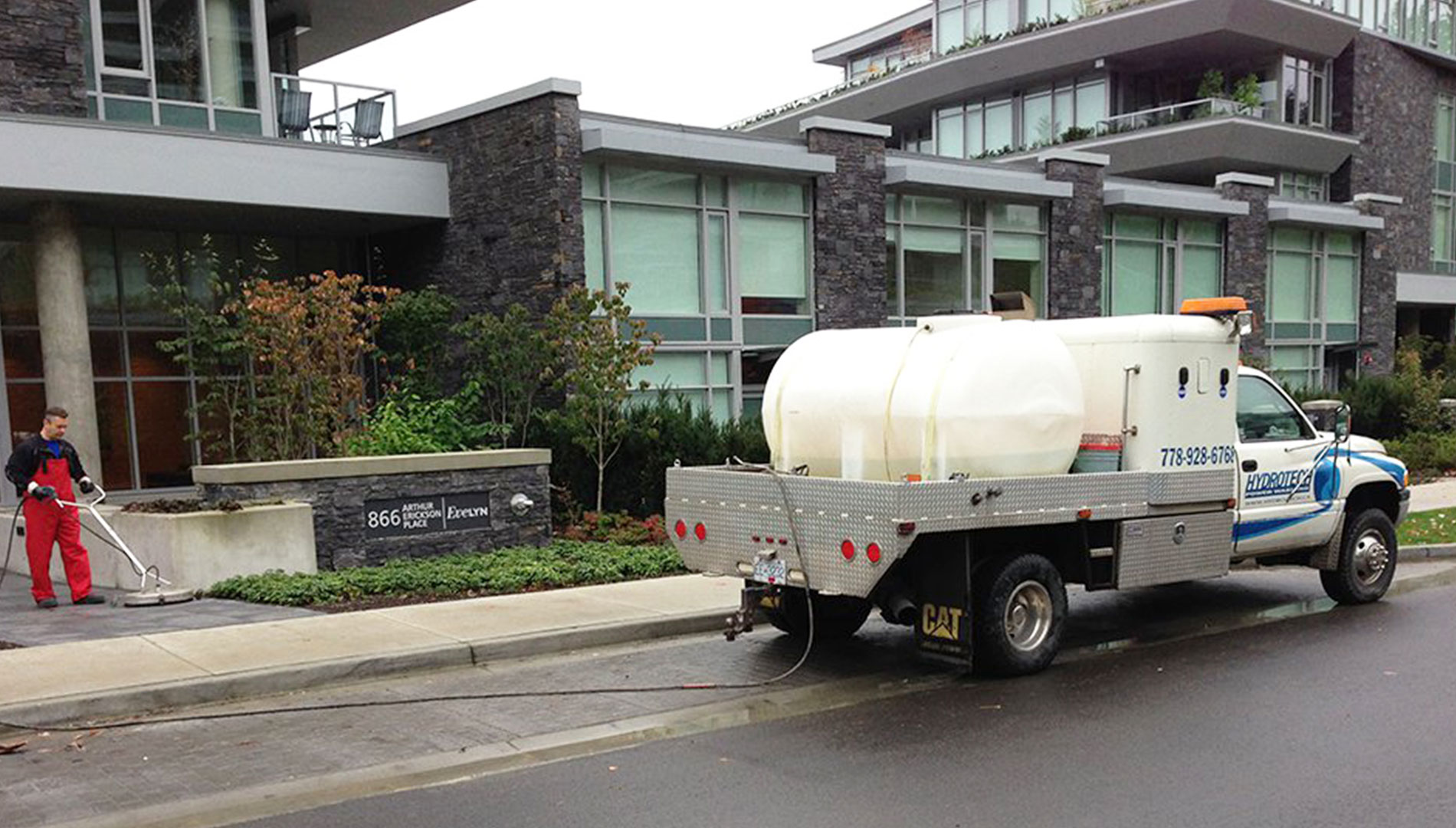
Industrial facilities are constantly evolving environments. Between aging infrastructure, underground utility networks, and the pressure to keep operations running without costly interruptions, maintenance teams face challenges that demand both precision and power. One method that has steadily earned its place on large industrial job sites is hydro excavation, a process that combines pressurized water and industrial-strength vacuum systems to remove soil and debris with accuracy that traditional digging methods simply cannot match.
As industrial sites grow in complexity, the need for reliable, non-destructive excavation has never been greater. Hydro excavation fills that gap, offering a solution that protects existing infrastructure, reduces downtime, and keeps large-scale maintenance projects on schedule.
The Basics of Hydro Excavation
At its core, hydro excavation uses a high-pressure water stream to break up soil while a powerful vacuum simultaneously removes the resulting slurry into a debris tank mounted on a truck. The process is controlled, targeted, and far less invasive than mechanical digging equipment.
What sets this method apart in industrial settings is the ability to work around utilities, pipelines, conduits, and cables without causing accidental damage. Traditional backhoes and excavators operate with a margin of error that can be costly when buried infrastructure is involved. Hydro excavation eliminates much of that risk by giving operators precise control over where and how deep the excavation goes.
The equipment used in hydro excavation is typically truck-mounted, making it mobile enough to move across large industrial campuses. Operators can position the truck at a safe distance from the dig site and use extended hoses to reach confined or restricted areas. This flexibility is particularly valuable at refineries, power generation facilities, chemical plants, and manufacturing complexes where access can be limited and the stakes for error are high.
Key Maintenance Applications at Large Industrial Sites
Large industrial facilities rely on hydro excavation for a wide range of maintenance tasks. One of the most common is potholing, which involves digging small, precise holes to expose and verify the location of underground utilities before any larger maintenance or construction work begins. On sprawling industrial campuses with decades worth of buried infrastructure, knowing exactly where utilities sit is critical before any ground disturbance takes place.
Slot trenching is another frequent application. Maintenance crews use hydro excavation to cut narrow, precise trenches for installing or repairing pipelines, conduit runs, and drainage systems. Unlike conventional trenching, slot trenching with hydro excavation causes minimal disruption to surrounding soil and adjacent utilities, which matters greatly when those utilities support active production areas.
Facilities with large above-ground tanks, support structures, and heavy equipment also rely on hydro excavation for maintenance around foundations and footings. Exposing the base of a structure for inspection or repair work requires careful soil removal that avoids disturbing the structural integrity of the surrounding ground. Hydro excavation handles this precisely, giving maintenance engineers a clear view of what they are working with without compromising the area.
Debris removal from pits, sumps, and containment areas is another area where hydro excavation proves valuable. Industrial facilities frequently deal with the buildup of sludge, sediment, and compacted material in drainage systems and retention pits. Hydro excavation equipment can efficiently pull out this material, restoring capacity to drainage systems and reducing the risk of environmental compliance issues.
Why Safety and Compliance Drive Industrial Adoption
Safety is a non-negotiable priority on industrial job sites, and hydro excavation supports that culture in several important ways. Striking a buried utility line with mechanical equipment is not just a costly repair problem. It can trigger fires, explosions, chemical releases, or electrocution events depending on what that line carries. Hydro excavation dramatically reduces the likelihood of those incidents by removing the aggressive mechanical force that causes accidental strikes.
Workers also benefit from reduced physical strain. Hydro excavation minimizes the need for manual digging in confined, hazardous, or difficult-to-access locations. This translates to fewer workplace injuries and more efficient completion of maintenance tasks.
From a regulatory standpoint, industrial facilities in sectors like oil and gas, petrochemical processing, and power generation operate under strict safety and environmental guidelines. Using hydro excavation for maintenance work demonstrates a commitment to damage prevention protocols that aligns with OSHA requirements and industry-specific standards. When regulatory audits occur, having a documented history of using non-destructive excavation methods can support compliance records and reduce liability exposure.
Environmental protection is another compliance dimension. Industrial sites often sit near waterways, wetlands, or sensitive ecological zones. Hydro excavation reduces the risk of accidental releases caused by ruptured pipelines, and the slurry collected during excavation is contained in the debris tank rather than left open on the ground. This containment approach helps facilities manage excavated material responsibly, a factor that matters under environmental permitting conditions.
Efficiency and Cost Considerations for Industrial Maintenance Teams
One of the common concerns about hydro excavation is the perceived cost compared to conventional digging. When evaluated strictly on hourly equipment rates, hydro excavation can appear more expensive at first glance. However, industrial maintenance teams that have integrated this method consistently report that the total project cost picture looks very different once all factors are considered.
Avoiding a single utility strike can save hundreds of thousands of dollars in repairs, lost production time, regulatory penalties, and liability costs. Hydro excavation essentially functions as a risk management tool in addition to an excavation method. The premium paid for precision pays dividends in damage avoidance.
Speed is another efficiency factor. Hydro excavation crews can complete potholing and slot trenching tasks faster than manual alternatives in many conditions, particularly in hard or compacted soils where hand digging is slow and physically demanding. Winter conditions, where frozen ground makes conventional digging extremely difficult, are also handled more effectively by hydro excavation equipment.
The mobility of truck-mounted hydro excavation units allows a single crew to service multiple locations across a large industrial campus in a single day. This reduces the number of equipment mobilizations required and minimizes disruption to operations in areas that are not being actively serviced.
Scheduling flexibility is also worth noting. Because hydro excavation creates less surface disruption than mechanical digging, maintenance areas can often be restored to service more quickly. Shorter restoration windows mean less operational impact, which is a significant consideration for facilities that run continuous production processes.
Choosing the Right Hydro Excavation Partner for Industrial Projects
Not all hydro excavation providers are equally prepared to handle the demands of large industrial environments. Industrial sites require contractors who understand the site-specific hazards, permitting requirements, and operational protocols that govern how work gets done on a facility.
Experience matters considerably. Providers who have worked in refineries, chemical processing plants, or power facilities understand how to navigate hot work permits, confined space protocols, and coordination with facility safety teams. Choosing a contractor without that background can introduce delays and compliance gaps that undermine the efficiency advantages hydro excavation offers.
Equipment capacity is another factor to evaluate. Large industrial projects often require high-volume debris removal and extended reach hose configurations. Contractors should be able to demonstrate that their equipment is properly maintained, rated for the conditions expected on site, and staffed by trained operators who understand how to calibrate water pressure and vacuum settings for different soil types and proximity to utilities.
Communication and reporting capabilities round out the selection criteria. Industrial maintenance managers benefit from contractors who document their work carefully, including utility locations identified during potholing, depths achieved, and any conditions observed during excavation. That documentation feeds back into facility records and supports future maintenance planning.
Conclusion
Hydro excavation has earned its role as a core method in industrial site maintenance, not as a niche specialty, but as a practical, safety-forward solution for the complex demands of large facilities. From protecting buried utilities to supporting environmental compliance and reducing total project costs, the advantages align closely with what industrial maintenance teams need most. As facilities continue to age and infrastructure networks grow more complex, hydro excavation will remain an essential part of keeping large industrial sites running safely and efficiently.
Categorised in: Hydro Excavation
This post was written by admin