
Industrial Parking Lot and Sidewalk Cleaning for Large Facilities
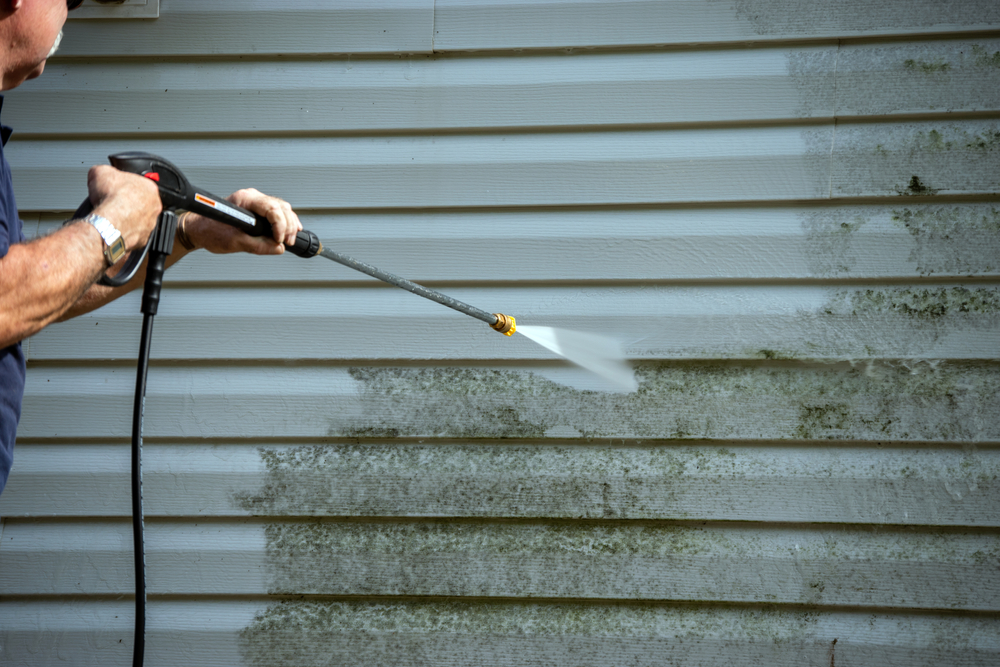
Large industrial facilities face a unique set of maintenance challenges that most commercial property owners never have to consider. Between heavy machinery, constant vehicle traffic, chemical spills, and the sheer scale of outdoor surfaces, keeping parking lots and sidewalks clean is not just a matter of appearances. It is a matter of safety, compliance, and long-term asset preservation. Industrial power washing has become one of the most effective and efficient solutions for facility managers who need reliable, scalable cleaning across thousands of square feet of hardscape.
When grime, oil, grease, and debris accumulate on industrial surfaces, they create hazards that expose facilities to liability. Slip-and-fall accidents on oily or algae-covered concrete, forklifts losing traction on debris-laden asphalt, and stormwater runoff carrying pollutants into drainage systems are all real consequences of neglected surface maintenance. A proactive cleaning program built around industrial power washing addresses these problems before they turn into costly incidents.
Why Industrial Facilities Require Specialized Cleaning Approaches
Not all pressure washing is created equal. The equipment, techniques, and cleaning agents required for a small retail parking lot are vastly different from what a manufacturing plant, distribution center, or logistics hub demands. Industrial facilities deal with a much heavier volume of contamination, including motor oil, hydraulic fluid, diesel residue, tire marks, chemical runoff, and industrial dust that bonds to concrete and asphalt over time.
Standard consumer-grade or even light commercial pressure washers simply do not have the output capacity to handle surfaces measured in acres. Industrial power washing systems operate at significantly higher PSI (pounds per square inch) and GPM (gallons per minute) ratings, allowing crews to cover large areas efficiently without sacrificing cleaning quality. Rotary surface cleaners, hot water systems, and industrial-grade detergents are often necessary to break down heavy hydrocarbon deposits that cold water alone cannot remove.
Beyond equipment, industrial cleaning also demands an understanding of surface types. Reinforced concrete, asphalt, pavers, and aggregate surfaces all respond differently to pressure and cleaning agents. Using the wrong technique on the wrong surface can cause spalling, pitting, or surface erosion, which leads to expensive repairs. Experienced industrial cleaning crews understand how to calibrate their approach based on surface material, contamination type, and facility requirements.
The Role of Regular Maintenance in Facility Safety and Compliance
One of the most overlooked aspects of parking lot and sidewalk maintenance at large facilities is regulatory compliance. Many industrial facilities are subject to stormwater management regulations under the Clean Water Act and local municipal separate storm sewer system (MS4) permits. These regulations require facilities to prevent pollutants, including oils, chemicals, and sediments, from washing off impervious surfaces and entering the stormwater system during rain events.
A well-executed industrial power washing program supports compliance by removing contaminants before they have a chance to migrate. When combined with proper wastewater containment and recovery practices, pressure washing can actually help facilities stay ahead of inspection requirements and avoid fines. Some facilities are even required to document their surface cleaning activities as part of their stormwater pollution prevention plan (SWPPP).
Safety is an equally pressing concern. OSHA guidelines emphasize the importance of maintaining clean walking and working surfaces to prevent slips, trips, and falls. In environments where employees, vendors, and contractors are regularly moving through parking lots and along sidewalks, contamination buildup is a genuine hazard. Regular industrial power washing reduces the risk of accidents and demonstrates a facility’s commitment to workforce safety.
Preventive maintenance also extends the life of pavement and concrete. Oils and chemicals that soak into asphalt accelerate binder breakdown, leading to cracking and potholing. On concrete, acidic substances and freeze-thaw cycles acting on saturated surfaces cause spalling and structural weakening. Keeping surfaces clean reduces the rate of deterioration and delays the need for costly resurfacing or replacement projects.
Choosing the Right Industrial Power Washing Service for Your Facility
Selecting a cleaning contractor for a large industrial facility is not a decision to make lightly. The scale of the work, the sensitivity of the environment, and the regulatory considerations all require a contractor who understands the industrial sector. There are several factors facility managers should evaluate when vetting potential service providers.
Experience with industrial sites is the first qualifier. A contractor who primarily handles residential driveways or small commercial storefronts may not have the equipment capacity or the technical knowledge to handle a sprawling logistics campus or a manufacturing facility with acres of paved surface. Ask for references from comparable facilities and verify that the contractor has handled similar contamination types and surface areas.
Equipment capacity matters significantly in industrial work. Look for contractors who operate commercial-grade hot water pressure washing units, surface cleaners with vacuum recovery systems, and industrial detergent injection capabilities. Hot water is particularly important for breaking down grease and hydrocarbon deposits that cold water cannot effectively dissolve.
Wastewater management is another critical consideration. Discharging contaminated wash water into storm drains is illegal in most jurisdictions. Reputable industrial power washing contractors use berms, vacuums, and containment systems to recover wash water for proper disposal or recycling. Before signing any contract, confirm that the provider has a documented water recovery and disposal process that aligns with local environmental regulations.
Finally, consider the contractor’s scheduling flexibility. Large industrial facilities often cannot afford to shut down operations for cleaning. The best industrial cleaning contractors work around facility schedules, including nights, weekends, and planned maintenance windows, to minimize disruption while still delivering thorough results.
Building a Long-Term Cleaning Program for Large Industrial Sites
A reactive approach to surface cleaning, waiting until the lot is visibly filthy or a spill has been reported, is rarely cost-effective at the industrial scale. Facility managers who invest in a scheduled, long-term maintenance program almost always find it more economical and more effective than sporadic deep cleans.
The frequency of industrial power washing will depend on several variables: the type of industrial activity on-site, the volume of vehicle traffic, local climate conditions, and any applicable regulatory requirements. A busy distribution center with constant truck traffic may need monthly cleaning for high-traffic drive lanes and quarterly full-facility washes. A manufacturing plant with heavy chemical use may require more frequent attention in specific zones.
Zoning the facility is a smart approach to managing both cost and effectiveness. High-traffic areas such as loading docks, entrance drives, and pedestrian walkways accumulate contamination faster than low-traffic zones like employee parking fields. By assigning different cleaning frequencies to different zones, facility managers can optimize their cleaning budget without allowing any area to fall into a hazardous state.
Documentation is also an important component of a long-term program. Keeping records of cleaning dates, areas covered, products used, and wastewater disposal methods provides a paper trail that can be invaluable during environmental inspections or liability investigations. Many facilities incorporate cleaning logs into their broader facility maintenance management systems for easy retrieval and reporting.
Partnering with a single, trusted industrial power washing contractor on a long-term service agreement often yields better results than rebidding work to the lowest price each time. A contractor who is familiar with your facility, its layout, its surface conditions, and its specific contamination challenges can work more efficiently and catch developing problems early.
Conclusion
Industrial parking lot and sidewalk cleaning is a serious operational responsibility for large facilities. Industrial power washing, when applied with the right equipment, the right techniques, and a consistent maintenance schedule, protects surfaces, supports regulatory compliance, and keeps workers and visitors safe. Facility managers who treat surface cleaning as a strategic investment rather than an afterthought will find that it pays dividends in reduced liability, extended pavement life, and a cleaner, safer environment for everyone who uses the facility.
Categorised in: Industrial Power Washing
This post was written by admin