How Industrial Equipment Cleaning Improves Safety and Efficiency
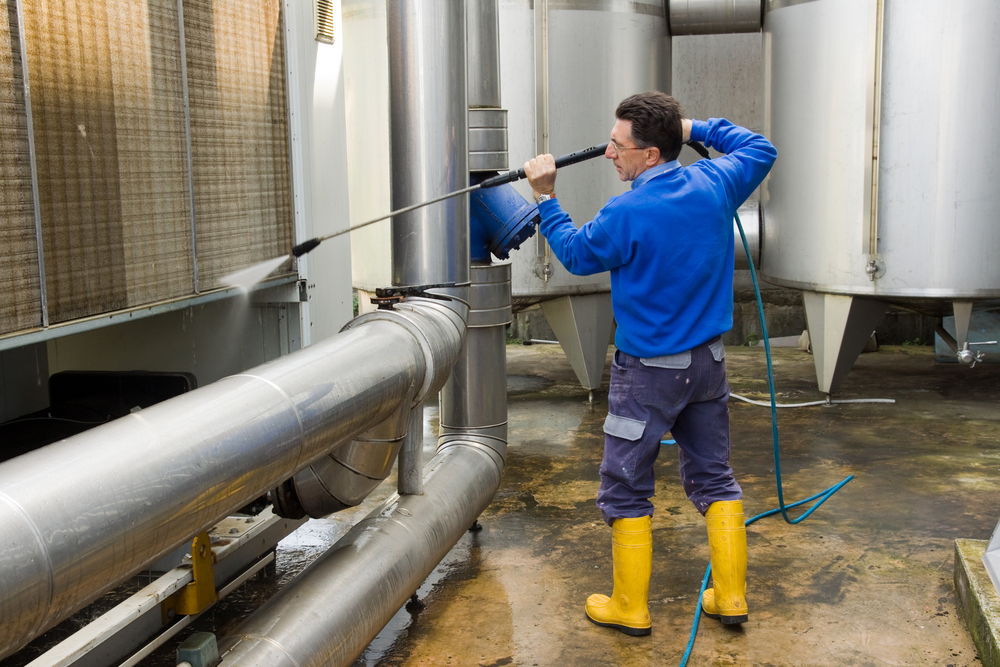
Keeping industrial equipment clean is not just about appearances. In manufacturing plants, construction sites, warehouses, and processing facilities, the condition of machinery directly affects how safely and efficiently operations run. Grime, grease, chemical residue, and built-up debris are more than eyesores; they are genuine hazards and productivity killers.
Industrial power washing has become one of the most effective methods for maintaining equipment in peak condition, and understanding its impact can help facility managers and business owners make smarter maintenance decisions.
The Connection Between Cleanliness and Workplace Safety
Safety is the foundation of any productive industrial operation, and equipment cleanliness plays a bigger role in that foundation than many people realize. When grease and oil accumulate on machinery, surfaces become slippery and unpredictable. Workers who interact with that equipment face a heightened risk of slips, falls, and contact injuries. Residue buildup can also obstruct moving parts, increase friction, and cause components to overheat or fail unexpectedly, turning a manageable maintenance situation into a full-blown emergency.
Contamination buildup on electrical components is another serious concern. Dust, moisture, and chemical deposits can interfere with sensors, short out wiring, and create fire hazards. In environments where flammable substances are present, unclean equipment is not just a mechanical problem; it is a fire risk that puts both personnel and property in danger.
Industrial power washing addresses these concerns by removing contaminants thoroughly and efficiently. High-pressure water streams, often combined with industrial-grade cleaning agents, can strip away layers of grease, oil, dirt, and chemical residue that standard cleaning methods simply cannot reach. Regularly scheduled pressure washing cycles keep surfaces clean and hazard-free, reducing the likelihood of accidents and ensuring that safety inspections go smoothly.
Regulatory compliance is another safety-related reason to prioritize equipment cleaning. OSHA standards and industry-specific regulations often require that machinery be maintained in a condition that minimizes risk to workers. Facilities that neglect cleaning protocols may find themselves facing fines, shutdowns, or liability issues when accidents occur. Consistent industrial power washing supports compliance efforts and demonstrates a commitment to worker safety.
How Clean Equipment Boosts Operational Efficiency
Beyond safety, clean equipment simply performs better. When machinery is clogged with grime or coated in residue, it has to work harder to do the same job. Motors run hotter, moving parts experience greater wear, and energy consumption climbs. Over time, this inefficiency compounds, leading to slower production speeds, higher energy bills, and increased downtime.
Consider the impact of dirty cooling systems or ventilation components. When heat exchangers, fans, and air intakes are coated in dust and debris, they lose their ability to regulate temperature effectively. Equipment that runs too hot degrades faster and is more prone to failure. A routine cleaning schedule that includes industrial power washing of these components keeps thermal management systems functioning as designed, which translates directly into more consistent and reliable output.
Lubrication systems also benefit from clean operating environments. Contaminants that work their way into lubricants cause accelerated wear on bearings, gears, and other precision components. Keeping the surrounding equipment surfaces clean reduces the chance of debris entering lubrication points, extending the life of those components and reducing the frequency of costly repairs.
Clean equipment also speeds up routine maintenance tasks. Technicians who have to dig through layers of grease and grime to inspect or service a machine spend far more time on the job than they would with a clean unit. When equipment is regularly washed down, maintenance crews can work more quickly and accurately, identifying potential issues before they escalate into expensive problems.
Extending Equipment Lifespan Through Regular Cleaning
Industrial machinery represents a significant capital investment, and protecting that investment requires more than just running equipment within its specified parameters. Physical degradation from corrosion, oxidation, and material fatigue is accelerated when contaminants are allowed to sit on metal surfaces. Rust and corrosion can spread from small surface imperfections into structural damage that compromises the integrity of critical components.
Industrial power washing removes the substances that drive this kind of deterioration. Acids, salts, and moisture-retaining debris are stripped away before they have the chance to cause lasting harm. In coastal or high-humidity environments, this becomes especially important, as salt air and moisture create ideal conditions for rapid corrosion if left unchecked.
Protective coatings and paint also last significantly longer when equipment is kept clean. Dirt and chemical residue can degrade surface treatments over time, allowing moisture and corrosive agents to reach the underlying metal. Regular cleaning preserves these protective layers, which in turn extends the service life of the equipment and reduces the frequency of costly repainting or recoating projects.
The long-term financial benefits of this approach are substantial. Equipment that lasts longer and breaks down less often delivers a much better return on investment. Facilities that build cleaning into their maintenance routines consistently find that they spend less on emergency repairs and replacement parts over the life of their machinery.
Choosing the Right Industrial Cleaning Approach
Not all industrial cleaning situations are the same, and selecting the right method for each application matters. Industrial power washing is a versatile option that can be adapted to a wide range of equipment types and contamination levels. Pressure settings, nozzle configurations, water temperature, and cleaning agents can all be adjusted to match the specific needs of the job.
Hot water pressure washing is particularly effective for cutting through heavy grease and oil deposits. The elevated temperature breaks down hydrocarbons more efficiently than cold water alone, reducing the need for aggressive chemical additives. For sensitive components or surfaces that could be damaged by high pressure, lower-pressure settings or foam application methods can achieve thorough cleaning without causing harm.
Steam cleaning is another option for situations where moisture must be carefully controlled. The combination of heat and vapor can sanitize surfaces and remove contaminants while minimizing water runoff, which is useful in environments where drainage is limited or where runoff must be carefully managed for environmental compliance.
Regardless of the method chosen, frequency matters just as much as technique. A single deep cleaning will not offset months of neglect. Effective industrial cleaning programs are scheduled consistently, with high-use or high-exposure equipment cleaned more frequently than machinery in less demanding conditions. Partnering with experienced industrial cleaning professionals ensures that the right approach is applied at the right intervals.
Creating a Culture of Cleanliness in Industrial Settings
The most effective cleaning programs are not just maintenance schedules; they are part of a broader operational philosophy. When facility leadership treats equipment cleanliness as a core value rather than an afterthought, that attitude filters down through the workforce. Operators become more attentive to the condition of the machines they use. Maintenance crews are more proactive about reporting buildup or contamination. Everyone in the facility becomes a stakeholder in keeping the environment safe and productive.
Training plays an important role in building this culture. Workers who understand why cleanliness matters and how it affects their safety and the quality of their work are more likely to take it seriously. Simple practices, such as wiping down equipment after use, reporting spills promptly, and following proper lockout/tagout procedures before cleaning operations, contribute to a cleaner and safer facility overall.
Industrial power washing is most effective when it supports and reinforces these everyday habits. Scheduled deep cleaning cycles provide a baseline of cleanliness that makes routine upkeep easier and more effective, creating a positive feedback loop that benefits the entire operation.
Conclusion
Clean equipment is safer, more efficient, and longer-lasting. Industrial power washing gives facilities a practical and effective tool for achieving and maintaining that cleanliness. By investing in regular, properly executed cleaning programs, industrial operations protect their workers, extend the life of their machinery, and keep productivity running at full capacity.
Categorised in: Industrial Equipment, Industrial Power Washing
This post was written by admin