

Government Industrial Coating Contractors in British Columbia: What Procurement Teams Should Look For
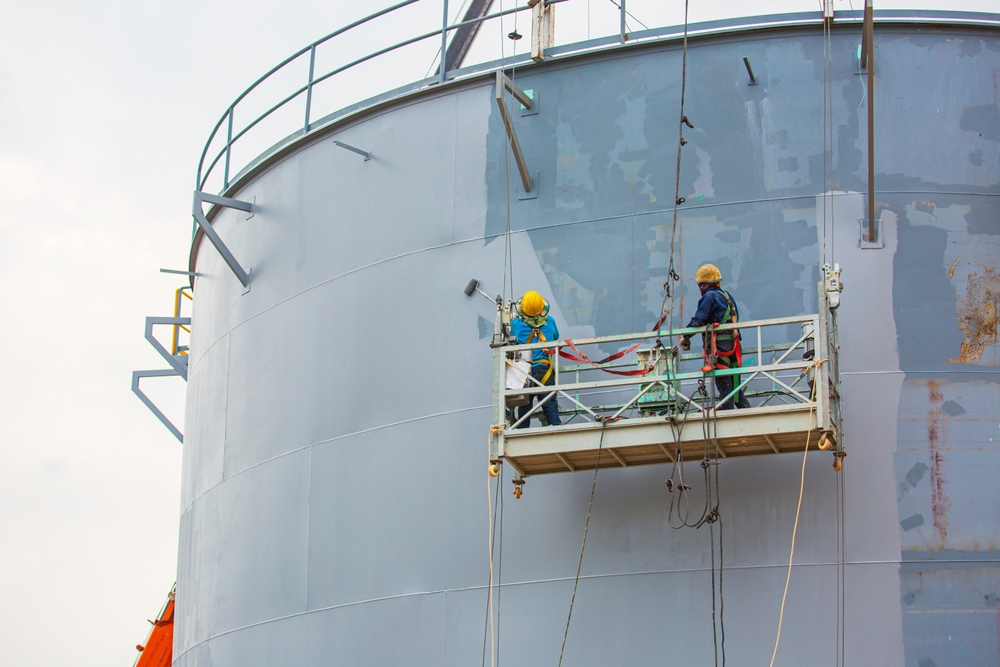
Government industrial coating projects are rarely just painting assignments. In Vancouver and across British Columbia, procurement teams may be protecting steel, concrete, equipment, utility infrastructure, public facilities, and other assets exposed to moisture, salt, chemicals, abrasion, or demanding operating conditions.
The contractor selection process therefore needs to look beyond the quoted coating product and initial price.
Quick answer: Procurement teams evaluating government industrial coating contractors in British Columbia should assess scope comprehension, surface preparation methods, coating-system suitability, safety planning, quality-control procedures, documentation, scheduling, and the contractor’s ability to work within public procurement requirements. The strongest bid is not necessarily the lowest-priced one. It is the bid that clearly demonstrates how the specified work will be completed, inspected, documented, and coordinated.
What procurement teams should know
- Surface preparation should be evaluated as carefully as the coating itself because coating performance depends heavily on the condition and preparation of the substrate.
- Vancouver-area projects can involve persistent moisture, rain, coastal exposure, and limited application windows that need to be considered during scheduling.
- Public-sector buyers should define documentation, inspection, safety, access, and closeout requirements before bids are compared.
- WorkSafeBC treats painting as construction activity for purposes of its construction requirements, making project-specific safety obligations an important procurement consideration.
- Bid requirements should distinguish mandatory qualifications from evaluated criteria so procurement teams can compare submissions consistently.
Why Contractor Selection Matters for Government Coating Projects
Contractor selection matters because an industrial coating project combines asset protection, worker safety, surface preparation, environmental conditions, scheduling, and quality control in one scope of work. For public infrastructure in Vancouver and elsewhere in British Columbia, weaknesses in any one of these areas can affect coating performance or create additional project administration.
The Lower Mainland presents its own practical considerations. Vancouver, Burnaby, Richmond, New Westminster, North Vancouver, and other Metro Vancouver communities experience substantial periods of wet weather. Infrastructure near Burrard Inlet and the Fraser River may also operate in environments where moisture and marine influence deserve consideration.
Procurement teams should therefore look at the complete proposed process rather than treating coating as a commodity purchase.
Hydro Tech is the business behind this Vancouver-focused procurement guide. From this point forward, we recommend evaluating coating proposals around measurable project requirements rather than relying on broad claims about experience or product quality.
What Local Data and Procurement Requirements Tell Buyers
British Columbia procurement information shows that clear bid requirements, contractor responsibilities, and safety planning should be established before work begins. The City of Vancouver describes its public procurement process as transparent, fair, competitive, and focused on value for money, while requiring suppliers to meet applicable supplier standards.
WorkSafeBC also classifies painting within its definition of construction. Certain construction projects require a Notice of Project, including projects exceeding specified cost thresholds or projects designed in whole or in part by a professional engineer, subject to the regulation’s requirements and exceptions.
That makes early scope review important. Procurement documents should identify who is responsible for safety coordination, required notices, site access, containment, surface preparation, inspection, and documentation rather than leaving these issues unresolved until mobilization.
How Industrial Coating Decisions Affect Public Assets
Industrial coating decisions affect asset condition, maintenance planning, downtime, and the frequency with which public infrastructure may need future intervention. A coating system needs to match both the substrate and the actual service environment.
For example, exposed structural steel in Metro Vancouver may face different conditions than an interior concrete floor, process area, water-related structure, or piece of industrial equipment. A specification that works for one exposure should not automatically be assumed appropriate for another.
Procurement teams should expect bidders to demonstrate that they understand those differences.
Warning Signs in an Industrial Coating Proposal
Warning signs in an industrial coating proposal include vague preparation methods, unclear inspection procedures, and pricing that cannot be connected to a defined scope. These issues deserve clarification before award.
Watch for:
- Surface preparation described only as “cleaning” without defining the required condition or method.
- No explanation of how existing coating failures, corrosion, contamination, or damaged substrates will be addressed.
- Product substitutions proposed without supporting technical information.
- No defined procedure for checking environmental conditions before or during application.
- Inspection responsibilities that are unclear between the owner, consultant, contractor, and coating manufacturer.
- Little detail about containment, access, adjacent operations, or protection of surrounding areas.
- A schedule that does not account for preparation, cure times, inspections, or Vancouver-area weather exposure.
- Closeout documentation that is undefined or excluded.
When Procurement Teams Should Require Specialist Input
Procurement teams should require specialist input when coating performance depends on technical substrate evaluation, hazardous-material considerations, engineered requirements, difficult access, or complex service conditions. Routine visual monitoring by facility staff can identify obvious deterioration, but specification and remediation decisions may require qualified professionals.
WorkSafeBC requirements are particularly relevant where construction activity involves hazardous substances or other regulated work. Certain hazardous-substance construction activities require advance notification and project-specific safe work procedures.
The procurement package should make responsibility for these requirements explicit.
Common Causes of Industrial Coating Failure in British Columbia
Common industrial coating failures can result from inadequate surface preparation, moisture, contamination, application outside acceptable conditions, or choosing a system that does not match the exposure. British Columbia’s coastal and industrial environments make these factors especially important.
1. Inadequate preparation: Rust, loose coating, laitance, oil, salts, dust, and other contaminants can interfere with adhesion.
2. Moisture exposure: Rain and high relative humidity can complicate exterior work around Vancouver, Richmond, Burnaby, and North Vancouver.
3. Incorrect system selection: Steel, concrete, immersion environments, chemical exposure, abrasion, and exterior weathering can require different coating properties.
4. Poor application control: Film thickness, mixing, recoat intervals, cure conditions, and application technique can affect the finished system.
5. Deferred maintenance: Small areas of coating breakdown can expose the substrate and expand the eventual repair scope.
How Better Maintenance Reduces Coating Problems
Better coating maintenance starts with scheduled inspections and early documentation of deterioration rather than waiting for widespread coating failure. Public asset managers can incorporate visual coating checks into routine facility and infrastructure maintenance programs.
Teams can safely document visible rusting, peeling, blistering, cracking, staining, impact damage, and other changes from accessible locations. Inspection records should identify the asset, location, date, observed condition, and photographs where appropriate.
DIY intervention should stop where access hazards, hazardous materials, active corrosion, confined spaces, operational equipment, or technical coating assessment is involved.
What Results Should Procurement Teams Expect?
Procurement teams should expect a completed industrial coating project to provide documented conformity with the specified scope rather than an unsupported promise of a particular service life. Actual coating performance depends on system selection, substrate condition, preparation, application, exposure, and future maintenance.
Useful closeout records may include product information, batch information where required, inspection reports, preparation records, environmental readings, coating thickness measurements, deficiency records, and completed corrective work.
The exact documentation should be specified before tender whenever possible.
Common Procurement Mistakes
Common procurement mistakes occur when price comparison is separated from scope, preparation, inspection, and lifecycle considerations. A bid can appear inexpensive simply because important work has been excluded or interpreted differently.
Mistake: Comparing lump-sum prices without confirming scope equivalency.
Consequence: Bidders may be pricing different preparation or inspection requirements.
Better approach: Create clearly defined mandatory scope requirements before comparing commercial submissions.
Mistake: Specifying a coating without adequately defining surface preparation.
Consequence: Application requirements can remain open to interpretation.
Better approach: Define preparation and acceptance requirements appropriate to the substrate and coating system.
Mistake: Ignoring operational constraints.
Consequence: Access restrictions or shutdown requirements can affect scheduling and cost.
Better approach: Identify working hours, sequencing, shutdowns, access, and coordination requirements in the procurement documents.
A Common Metro Vancouver Project Scenario
A common Metro Vancouver scenario involves an aging coated steel asset showing localized corrosion while remaining operational and exposed to changing weather. This is an illustrative scenario, not a Hydro Tech case study.
A procurement team might initially describe the project as repainting. A closer scope review could reveal several separate requirements: identifying failed coating, preparing corroded areas, protecting adjacent operations, controlling debris, meeting specified surface conditions, applying the coating system, inspecting the work, and documenting completion.
Defining those requirements before tender gives bidders a more consistent basis for pricing.
Related Industrial Coating Solutions
Related coating solutions should be selected according to substrate, exposure, operating conditions, and the owner’s performance requirements. Depending on the project, the work may involve protective coatings for steel or concrete, surface preparation, coating removal, rehabilitation, or other industrial coating processes.
Our approach is to encourage procurement teams to begin with the asset and service environment, then establish preparation, application, inspection, safety, and documentation requirements around the intended coating system.
Comparing Industrial Coating Bids
Industrial coating bids should be compared on equivalent technical and commercial requirements rather than price alone. Procurement teams can make evaluation more consistent by separating mandatory compliance from technical evaluation and pricing.
Check whether each bidder has addressed the same substrate preparation, coating system, access requirements, containment, safety responsibilities, inspection points, schedule, exclusions, and closeout documents.
WorkSafeBC notes that where two or more employers are working simultaneously, prime-contractor responsibilities include coordinating occupational health and safety activities and maintaining procedures for compliance. That responsibility should be understood during procurement rather than resolved after work starts.
Service Areas
Industrial coating procurement in Vancouver often needs to account for the broader Metro Vancouver operating environment and regional project logistics. Projects may be located across Vancouver, Burnaby, Richmond, New Westminster, North Vancouver, and surrounding British Columbia communities.
Project-specific service availability should be confirmed directly with us before procurement or scheduling decisions are made.
What Is the Cost of Ignoring Coating Deterioration?
Ignoring coating deterioration can allow a maintenance issue to develop into a larger substrate repair and asset-management problem. Where protective coatings are intended to isolate steel, concrete, or equipment from damaging exposure, deterioration can leave portions of the underlying material increasingly vulnerable.
For government asset managers, delayed work can also complicate future access, scheduling, budgeting, and operational coordination.
FAQ
What should a government buyer look for in an industrial coating contractor in Vancouver?
Government buyers should look for clear evidence that the bidder understands surface preparation, coating application, safety, quality control, scheduling, and documentation requirements. Evaluation should be tied to the actual specification and site conditions rather than relying on price or broad marketing claims alone.
Does WorkSafeBC consider industrial painting construction work?
Yes, WorkSafeBC includes painting within its definition of construction for applicable occupational health and safety requirements. Depending on the scope, project value, design, hazardous substances, and other circumstances, additional notification or safety requirements may apply. Procurement teams should verify the requirements for the specific British Columbia project.
Why does surface preparation matter for Vancouver industrial coating projects?
Surface preparation matters because the coating needs a properly prepared substrate to perform as intended. Around Vancouver, moisture, corrosion, existing coatings, salts, dirt, and industrial contaminants may all need consideration depending on the asset and location. Preparation requirements should therefore be clearly specified and inspectable.
Should the lowest industrial coating bid win a government contract?
Government coating bids should be evaluated according to the procurement method and published evaluation criteria, which may include more than initial price. The City of Vancouver states that its procurement process seeks value for money through transparent, fair, and competitive practices. Buyers should follow their applicable procurement policies and solicitation documents.
How should weather be addressed on an exterior coating project in Metro Vancouver?
Exterior coating plans should establish acceptable environmental conditions and a process for monitoring them during the work. Metro Vancouver’s wet coastal environment can affect scheduling and application opportunities, so procurement documents should clarify weather-related responsibilities, protection requirements, inspection procedures, and schedule assumptions.
What documentation should British Columbia procurement teams request?
Documentation should match the project specification and provide evidence that required preparation, application, inspection, and closeout steps were completed. Depending on the project, records may include product data, environmental readings, inspection results, coating thickness measurements, deficiency reports, safety documentation, and other specified quality-control records.
When might a British Columbia coating project require a Notice of Project?
A Notice of Project may be required when a construction project meets conditions established by WorkSafeBC regulations. Examples include certain projects exceeding $100,000 in estimated labour and material costs or projects designed in whole or part by a professional engineer, subject to the regulation’s details and exceptions.
How early should coating contractors be involved in project planning?
Contractor input can be useful once the owner has enough information to communicate the asset condition, operational restrictions, intended scope, and procurement requirements. For Vancouver-area projects involving difficult access, shutdowns, weather exposure, or complex preparation, identifying these constraints early can help bidders submit more comparable proposals.
Build a Clearer Industrial Coating Scope in British Columbia
A successful coating procurement process starts with a clear understanding of the asset, substrate, environment, preparation requirements, safety responsibilities, inspection criteria, and expected documentation. For public-sector teams in Vancouver and across British Columbia, defining these requirements early can make contractor evaluation more consistent and project expectations clearer.
Protect public and industrial assets with a scope built around measurable requirements.
We can discuss the coating requirements, site conditions, and procurement considerations relevant to your project.
Categorised in: Industrial Coatings
This post was written by admin