
Industrial Coating Services in Vancouver, BC: Protecting Equipment, Steel, and Industrial Facilities
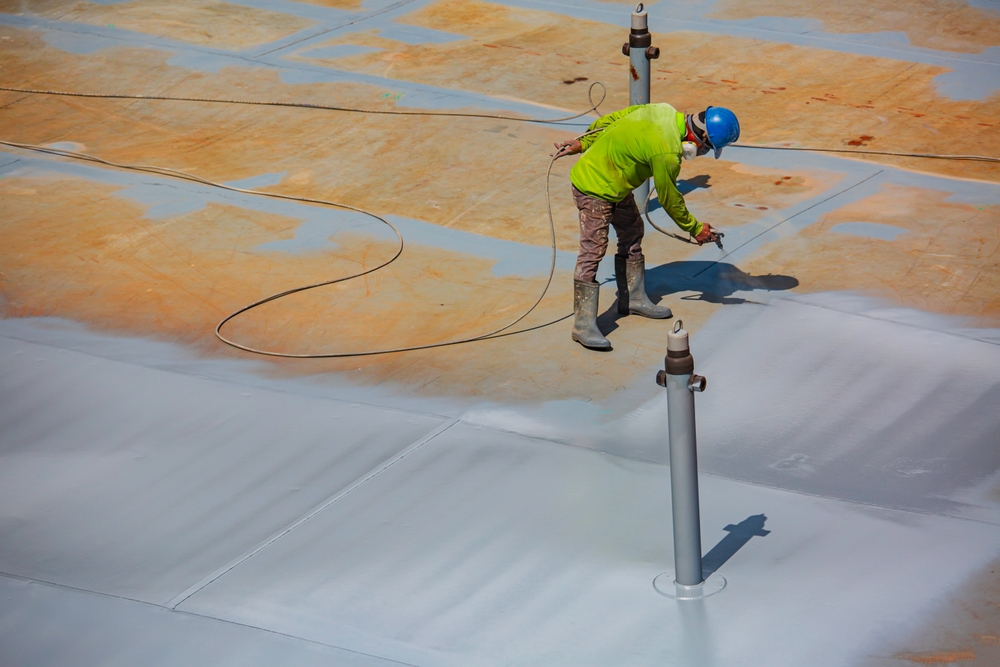
Industrial steel, machinery, and facility surfaces in Vancouver face a demanding combination of moisture, coastal air, frequent rainfall, and operational wear. Once protective coatings begin to fail, exposed metal can become vulnerable to corrosion, premature deterioration, and increasingly disruptive maintenance.
Quick answer: Industrial coating services protect steel, equipment, structural components, and facility surfaces by creating a protective barrier against moisture, corrosion, chemicals, abrasion, and environmental exposure. In Vancouver, BC, selecting the right coating system and preparing the substrate properly are especially important because persistent moisture and coastal conditions can accelerate deterioration.
What local facility owners and managers should know
-
Industrial coatings can protect structural steel, machinery, tanks, piping, floors, and other surfaces exposed to demanding operating conditions.
-
Vancouver’s wet coastal climate makes moisture protection an important consideration for exposed and semi-exposed steel.
-
Facilities near Burrard Inlet and the Fraser River may face environmental conditions that make corrosion control especially relevant.
-
Surface preparation is a critical part of coating performance, not simply a preliminary step.
-
Coating selection should reflect the substrate, exposure conditions, operating environment, and intended service life.
Why Do Industrial Coatings Matter in Vancouver?
Industrial coatings matter in Vancouver because they help isolate vulnerable surfaces from moisture, corrosive exposure, abrasion, chemicals, and other conditions that can shorten the useful life of industrial assets. For local facilities, a well-planned coating system can become an important part of corrosion control and preventive maintenance.
The Lower Mainland’s marine-influenced environment creates challenges that are difficult to ignore. Frequent precipitation, prolonged damp conditions, and proximity to saltwater can place exposed steel and equipment under ongoing environmental stress.
Conditions also vary across the region. A structure near the Port of Vancouver or Burrard Inlet can face different exposures than an industrial building farther inland in Burnaby or Richmond. Facilities around the Fraser River, Delta, and North Vancouver can likewise have different operational and environmental requirements.
Hydro Tech provides industrial coating services, and we approach coating work with the understanding that the coating itself is only one part of the protection system. The condition of the substrate, preparation requirements, exposure environment, and intended use all need to be considered.
What Do Local Conditions Tell Us About Industrial Coating Needs?
Local conditions indicate that moisture management and corrosion protection deserve particular attention when maintaining industrial steel and equipment in Metro Vancouver. Rather than treating every coating project the same way, facility owners should evaluate where the asset is located, what it is exposed to, and how it is used.
Environment and Climate Change Canada climate information documents Vancouver’s wet coastal climate. That broader climate context matters because steel that repeatedly encounters water or remains damp can be more susceptible to corrosion when its protective system is compromised.
This does not mean every industrial asset in the region requires the same coating. Indoor machinery, exterior structural steel, process equipment, floors, tanks, and waterfront infrastructure can have substantially different exposure conditions.
A site-specific assessment is therefore more useful than selecting a coating solely because it performed well somewhere else.
How Can Coating Failure Affect Vancouver Industrial Facilities?
Coating failure can affect Vancouver industrial facilities by allowing moisture or other damaging substances to reach the underlying substrate, potentially increasing corrosion, maintenance requirements, equipment deterioration, and operational disruption. The consequences depend on the asset, its environment, and how far deterioration has progressed.
For exposed steel, deterioration can begin as a localized maintenance issue and spread if the failed coating remains in service. Machinery and equipment can present additional concerns when surfaces encounter abrasion, chemicals, washdowns, or repeated handling.
For businesses operating around industrial areas such as the Port of Vancouver, South Vancouver, Richmond, and Burnaby, maintenance scheduling also matters. Repair work that requires equipment or an area to be taken out of service can affect production and facility access.
Protective coating maintenance can help facility managers address vulnerable surfaces before deterioration becomes more extensive.
What Are the Warning Signs That an Industrial Coating Needs Attention?
Industrial coatings need attention when visible changes suggest that the protective film or underlying substrate is deteriorating. Facility teams in Vancouver should include coated surfaces in routine inspections, particularly where steel is exposed to moisture, outdoor conditions, chemicals, or demanding operations.
Watch for:
-
Rust appearing through or around the coating.
-
Blistering, bubbling, peeling, or flaking.
-
Cracks or breaks in the coating film.
-
Discoloration or staining associated with moisture exposure.
-
Bare metal becoming visible at edges, joints, fasteners, or impact points.
-
Heavy abrasion or worn areas on equipment and traffic surfaces.
-
Repeated coating failure in the same location.
-
Corrosion developing beneath apparently intact coating.
Not every cosmetic change means that a complete recoating is required. However, visible deterioration is a good reason to determine why the coating is failing before applying another layer.
When Should You Call an Industrial Coating Professional?
A professional should evaluate an industrial coating when corrosion is active, coatings are peeling or blistering, substrate preparation is required, or the surface is exposed to demanding industrial conditions. Professional assessment is also appropriate when downtime, access, containment, or compatibility with an existing coating system must be considered.
Facility personnel can safely perform routine visual monitoring in accessible areas. They can document changes, identify recurring moisture exposure, and note where coatings experience impacts or abrasion.
DIY work should stop where safe access, specialized surface preparation, unknown existing coatings, industrial chemicals, or significant corrosion become concerns. Coating over an unidentified problem can hide deterioration without correcting its cause.
What Commonly Causes Industrial Coating Problems in Vancouver?
Common industrial coating problems in Vancouver are associated with moisture exposure, corrosion, inadequate surface preparation, mechanical wear, chemical exposure, and coating systems that do not match their operating environment. Several of these conditions can occur simultaneously in Lower Mainland facilities.
1. Persistent moisture exposure: Rainfall, condensation, washdowns, and damp environments can challenge damaged or unsuitable coating systems.
2. Coastal exposure: Facilities closer to Burrard Inlet and other marine environments may need to consider salt-containing moisture as part of corrosion planning.
3. Poor surface preparation: Rust, contaminants, old coating, and other material left on the substrate can interfere with coating adhesion and performance.
4. Abrasion and impact: Forklifts, tools, materials handling, equipment movement, and production activity can wear protective surfaces.
5. Chemical exposure: Industrial processes, cleaning products, oils, and other substances can affect coatings that were not selected for those conditions.
6. Aging coating systems: Even a suitable coating eventually requires inspection and maintenance as environmental and operational exposure accumulate.
How Can Industrial Facilities Prevent Premature Coating Failure?
Industrial facilities can reduce premature coating failure by inspecting coated assets regularly, correcting moisture or contamination problems, preparing surfaces properly, and selecting coatings for the actual service environment. In Vancouver, inspections are particularly useful before and after extended periods of wet weather.
Maintenance teams can visually check accessible steel and equipment for rust, peeling, blistering, impacts, and exposed substrate. Areas around joints, edges, penetrations, drainage paths, and frequently handled surfaces deserve extra attention.
Keep coated surfaces clean according to the requirements of the equipment and coating system. Address leaks and persistent water exposure where practical rather than relying on coating alone to compensate for an ongoing moisture problem.
Before recoating, determine why the previous coating deteriorated. Simply covering corrosion or loose material can result in another premature failure.
What Results Can You Expect From Professional Industrial Coating Work?
Professional industrial coating work should produce a prepared, protected surface with a coating system suited to the substrate and expected exposure conditions. The realistic goal is improved protection and maintainability, not a promise that a coated industrial surface will never require attention again.
The process can involve assessing the existing condition, identifying preparation needs, preparing the substrate, applying the selected coating system, and allowing appropriate curing before the asset returns to normal service.
Expected performance depends on factors such as environment, substrate condition, preparation, coating selection, application conditions, mechanical wear, and ongoing maintenance.
What Industrial Coating Mistakes Should Vancouver Facilities Avoid?
Vancouver facilities should avoid coating over corrosion, skipping preparation, choosing products solely by price, and treating every industrial surface as though it has the same exposure requirements. These mistakes can undermine the protective purpose of the coating and lead to repeated maintenance.
Mistake: Painting directly over loose rust.
Consequence: The new coating may be attached to unstable material rather than a sound substrate.
Better approach: Evaluate and prepare the surface appropriately before coating.
Mistake: Ignoring Vancouver’s moisture exposure.
Consequence: A system that is poorly matched to damp or exterior conditions may deteriorate prematurely.
Better approach: Consider the actual environment when selecting the coating system.
Mistake: Treating all steel and equipment alike.
Consequence: A coating suitable for structural steel may not address the demands placed on machinery, floors, tanks, or process areas.
Better approach: Match the system to the asset and its operating conditions.
Mistake: Waiting until deterioration becomes widespread.
Consequence: Maintenance can become more extensive and potentially more disruptive.
Better approach: Inspect routinely and address localized problems when practical.
What Does a Common Vancouver Industrial Coating Scenario Look Like?
A common Vancouver industrial coating scenario involves exterior or semi-exposed steel developing localized coating deterioration after repeated moisture exposure. This is an illustrative local scenario, not a Hydro Tech case study or claim about a specific project.
Imagine a facility near the Fraser River where coated structural steel is exposed to damp conditions throughout much of the year. Maintenance personnel begin noticing rust at edges and damaged sections where the existing coating has worn away.
Applying another coat directly over those areas would not address unstable material underneath. A more appropriate process would begin by assessing the deterioration, determining preparation requirements, and selecting a protective system suited to the actual exposure.
Which Industrial Coating Services Can Help Protect Local Assets?
Industrial coating services can help protect equipment, steel, and facility surfaces by combining appropriate surface preparation with coating systems selected for their operating environment. The exact solution should be based on what is being protected and the conditions it encounters.
Potential applications can include structural steel, machinery and equipment, tanks, piping, industrial floors, and other facility components where protective coatings are appropriate.
How Do You Compare Industrial Coating Options?
The best industrial coating option is the one matched to the substrate, environment, operating demands, and maintenance goals rather than the cheapest or fastest product to apply. Vancouver facility managers should consider both immediate project requirements and how the surface will be maintained afterward.
Minor touch-ups may be appropriate for limited coating damage when the underlying substrate remains suitable. More extensive deterioration may require greater surface preparation and recoating.
Likewise, planned preventive coating work can often be scheduled around operations, while delayed maintenance may leave fewer choices if deterioration becomes widespread. Professional assessment is especially valuable when the existing coating is unknown or the surface faces aggressive exposure.
Where Are Industrial Coating Services Relevant Around Vancouver?
Industrial coating services are relevant throughout Vancouver and the surrounding Lower Mainland wherever steel, equipment, and facility surfaces need protection from environmental or operational exposure. Industrial properties in Richmond, Burnaby, Delta, North Vancouver, and communities throughout Metro Vancouver can face their own combinations of moisture, coastal conditions, traffic, and process-related wear.
Service availability in specific communities should be confirmed directly with us before scheduling.
What Can Happen If Industrial Coating Problems Are Ignored?
Ignoring coating deterioration can allow corrosion and surface damage to progress, potentially increasing the amount of preparation, repair, and downtime required later. In Vancouver’s wet climate, leaving exposed steel unprotected can be particularly counterproductive when the asset continues to encounter moisture.
Waiting does not automatically mean catastrophic damage will occur. The practical concern is that a small area of failed coating may become a larger maintenance problem if exposure continues.
Frequently Asked Questions About Industrial Coatings in Vancouver
How often should industrial coatings be inspected in Vancouver?
Industrial coatings in Vancouver should be inspected on a schedule appropriate to the asset, exposure, coating system, and operating conditions. Facilities with exterior steel, persistent moisture, chemical exposure, or heavy mechanical wear may benefit from more frequent visual checks. Manufacturer guidance and professional recommendations should also inform the inspection schedule.
Does Vancouver’s rainy climate affect industrial steel coatings?
Yes, Vancouver’s rainy climate can affect industrial steel coatings because persistent moisture increases the importance of maintaining an effective barrier between steel and its environment. Damaged, poorly prepared, or unsuitable coating systems may allow water to reach the substrate, making prompt inspection of visible defects worthwhile.
Are industrial coatings useful near the Port of Vancouver?
Industrial coatings can be useful near the Port of Vancouver where steel and equipment may encounter moisture, marine-influenced conditions, abrasion, or industrial activity. The appropriate coating depends on the specific exposure. A waterfront or port-related environment should be assessed individually rather than treated like an ordinary indoor industrial space.
Can you simply paint over rusted industrial steel?
Painting directly over loose or inadequately prepared rust is generally not a sound long-term approach because coating performance depends heavily on the condition of the substrate. The corrosion should first be evaluated and the surface prepared appropriately for the selected system. The required preparation depends on the steel’s condition and intended coating.
What industrial surfaces can be coated?
Many industrial surfaces can potentially receive protective coatings, including structural steel, equipment, tanks, piping, floors, and other facility components. Suitability depends on substrate material, existing surface condition, operating temperature, chemical exposure, moisture, abrasion, and other factors. Hydro Tech’s exact supported applications should be confirmed before publication.
Do industrial facilities in Richmond and Burnaby face the same coating conditions?
No, industrial facilities in Richmond and Burnaby may experience different coating conditions depending on their location, building design, operations, and environmental exposure. Proximity to the Fraser River, exterior exposure, process moisture, chemicals, and mechanical wear can all influence coating requirements, so specifications should be based on the individual facility.
Is surface preparation really necessary before industrial coating?
Yes, surface preparation is a critical part of industrial coating work because coatings need an appropriate substrate to adhere and perform as intended. Rust, failing old coatings, oil, dirt, salts, and other contaminants can interfere with performance. Preparation requirements vary according to the substrate and selected coating system.
When is the best time to schedule exterior industrial coating work in Vancouver?
Exterior industrial coating work should be scheduled when environmental conditions fall within the requirements of the selected coating system. Vancouver’s wet weather can make planning especially important because temperature, surface moisture, humidity, and precipitation may affect application. Specific acceptable conditions should follow the product requirements and project plan.
Protect Industrial Assets Across Vancouver and the Lower Mainland
Protective coatings can play an important role in maintaining industrial steel, machinery, and facility surfaces under the Lower Mainland’s demanding environmental and operating conditions. Identifying deterioration early and matching preparation and coating systems to the actual exposure can help support practical long-term maintenance.
Protect Your Vancouver Industrial Facility From Premature Deterioration
We can help you evaluate coating needs for industrial equipment, steel, and facility surfaces without assuming that every asset requires the same solution.
Categorised in: Industrial Coatings
This post was written by admin