
Industrial Coating Services in Vancouver, BC: How Protective Coatings Extend the Life of Commercial & Industrial Facilities
Industrial facilities across Metro Vancouver face constant exposure to moisture, coastal air, heavy equipment, chemicals, and daily wear. Without the right protective coatings, structural steel, concrete floors, tanks, pipelines, and other assets can deteriorate much faster than expected, leading to costly repairs and operational downtime.
Quick Answer
Industrial protective coatings extend the life of commercial and industrial facilities by creating a durable barrier against corrosion, moisture, abrasion, chemicals, and UV exposure. In Vancouver, BC, where coastal weather and frequent rainfall accelerate deterioration, professionally selected coating systems help businesses protect valuable infrastructure, reduce maintenance costs, and improve long-term performance.
What Local Businesses Should Know
-
Vancouver’s wet climate creates ideal conditions for corrosion on exposed steel, equipment, and structural components.
-
Protective coatings help warehouses, manufacturing plants, marine facilities, and commercial buildings resist moisture damage.
-
Different environments require different coating systems. A coating suitable for a warehouse may not perform well in a chemical processing facility.
-
Industrial coatings can minimize maintenance interruptions and extend the service life of expensive infrastructure.
-
Businesses throughout Richmond, Burnaby, Surrey, North Vancouver, and the Port of Vancouver often rely on protective coatings to combat coastal conditions.
Why This Matters Locally
Protective coatings are especially valuable throughout Vancouver because the region experiences high annual rainfall, frequent moisture, and salt-laden coastal air. Industrial facilities located near Burrard Inlet, False Creek, the Fraser River, or the Port of Vancouver are exposed to conditions that accelerate corrosion and surface degradation.
Older commercial buildings throughout East Vancouver, South Vancouver, Burnaby, and New Westminster often contain structural steel and concrete that benefit from properly maintained coating systems. Manufacturing plants, distribution centres, food processing facilities, and marine operations all face unique environmental challenges that require specialized protection.
Hydro Tech provides industrial coating services for commercial and industrial properties throughout Vancouver, BC. From this point forward, we focus on helping businesses choose coating systems that protect their facilities while minimizing future maintenance requirements.
Local Field Observations
Our field experience shows that moisture intrusion is one of the most common contributors to coating failure throughout Metro Vancouver. Facilities located near the waterfront or exposed to constant humidity often experience accelerated rust, blistering, peeling, and concrete deterioration when coatings reach the end of their service life.
Industrial flooring also receives significant abuse from forklifts, pallet jacks, heavy machinery, and chemical exposure. Without proper surface preparation and high-performance coatings, these surfaces often require more frequent repairs.
How Protective Coatings Extend Facility Life
Protective coatings extend facility life by shielding building materials from environmental damage before deterioration begins.
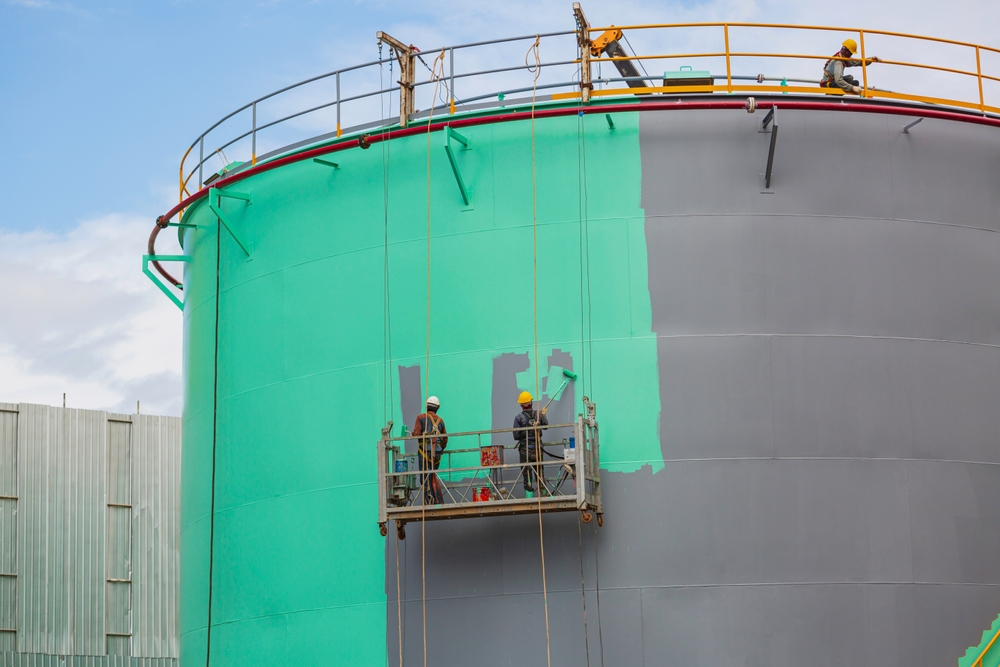
Industrial coating systems create a barrier that prevents water, oxygen, chemicals, and contaminants from reaching vulnerable surfaces. Depending on the application, coatings can protect:
-
Structural steel
-
Concrete floors
-
Storage tanks
-
Pipelines
-
Manufacturing equipment
-
Processing facilities
-
Parking structures
-
Industrial roofs
Instead of allowing corrosion or wear to reach the substrate, properly applied coatings absorb the environmental stress, preserving the underlying structure for many years.
Local Impact on Commercial & Industrial Facilities
Businesses throughout Vancouver rely on uninterrupted operations. Unexpected repairs caused by corrosion, concrete deterioration, or coating failure can result in expensive downtime.
Protective coatings help reduce:
-
Equipment replacement costs
-
Facility maintenance expenses
-
Production interruptions
-
Safety hazards caused by deteriorated surfaces
-
Moisture-related structural damage
For facilities operating year-round, preventative coating maintenance often proves more cost-effective than emergency repairs.
Warning Signs Your Facility May Need New Protective Coatings
Several warning signs indicate that an industrial coating system may be reaching the end of its service life.
-
Rust appearing beneath painted steel
-
Peeling, cracking, or blistering coatings
-
Concrete dusting or surface wear
-
Visible moisture intrusion
-
Chemical staining or surface breakdown
-
Coating discoloration from UV exposure
-
Frequent maintenance of the same surfaces
-
Corrosion around joints, fasteners, or welds
Addressing these issues early can help prevent more extensive structural damage.
When to Call a Professional
Professional evaluation is recommended whenever protective coatings begin showing signs of failure or when industrial assets are exposed to harsh operating environments.
Property managers can perform routine visual inspections for rust, peeling, cracking, or surface damage. However, coating selection, surface preparation, and application require specialized knowledge to achieve long-term performance.
Facilities with active corrosion, chemical exposure, or deteriorating concrete should be assessed before damage progresses further.
Common Local Causes of Coating Failure
Protective coating failures often result from a combination of environmental exposure and aging.
Constant Moisture
Frequent rainfall and high humidity allow water to remain on surfaces longer, increasing corrosion risk.
Coastal Salt Exposure
Facilities near Burrard Inlet, the Port of Vancouver, or other waterfront areas experience additional salt exposure that accelerates metal deterioration.
Chemical Exposure
Manufacturing and industrial operations frequently expose surfaces to chemicals that gradually weaken coatings.
Heavy Traffic
Warehouse floors and loading areas experience continual abrasion from equipment and vehicle traffic.
Aging Coating Systems
Even high-quality industrial coatings eventually reach the end of their service life and require renewal.
Prevention and Maintenance
Regular inspections help identify coating damage before significant deterioration develops.
Businesses can improve coating longevity by:
-
Scheduling routine facility inspections
-
Cleaning surfaces to remove contaminants
-
Repairing damaged areas promptly
-
Addressing moisture problems early
-
Following recommended maintenance schedules
Surface preparation and coating application should always follow manufacturer specifications to maximize performance.
Expected Results
Professionally installed industrial coatings help facilities resist corrosion, reduce maintenance requirements, improve durability, and extend the lifespan of valuable assets.
Actual service life depends on environmental conditions, coating selection, surface preparation, and ongoing maintenance. Facilities that maintain their coating systems proactively often avoid more extensive structural repairs later.
Common Mistakes
Delaying Recoating
Waiting until corrosion becomes widespread increases repair costs and may require structural restoration rather than simple recoating.
Choosing the Wrong Coating
Using residential or general-purpose coatings in industrial environments often leads to premature failure.
Skipping Surface Preparation
Even premium coatings perform poorly if surfaces are not properly cleaned and prepared before application.
Ignoring Small Failures
Minor peeling or rust spots can quickly expand when exposed to Vancouver’s wet climate.
Common Local Scenario
A warehouse operator in Metro Vancouver notices small rust spots developing along structural steel near loading docks. Because the damage appears minor, repairs are postponed.
Over several rainy seasons, moisture penetrates beneath the existing coating, allowing corrosion to spread behind the surface. What began as localized touch-ups eventually requires extensive surface preparation and recoating across a much larger area.
This illustrates why early maintenance often helps reduce long-term repair costs.
Related Service Solutions
Industrial protective coatings support a wide range of commercial maintenance needs, including:
-
Structural steel coatings
-
Concrete floor coatings
-
Corrosion protection
-
Industrial surface preparation
-
Facility maintenance coatings
-
Protective recoating projects
Comparing Your Options
| Option | Benefits | Considerations |
|---|---|---|
| Spot Repairs | Lower immediate cost | May not address widespread deterioration |
| Full Recoating | Restores long-term protection | Larger upfront investment |
| Preventative Maintenance | Extends coating life | Requires scheduled inspections |
| Reactive Repairs | Addresses visible damage | Often results in higher long-term costs |
Service Areas
We provide industrial coating services throughout Vancouver, BC, as well as Richmond, Burnaby, Surrey, North Vancouver, New Westminster, and surrounding Metro Vancouver communities.
Cost of Ignoring the Issue
Postponing protective coating maintenance can allow corrosion, moisture intrusion, and structural deterioration to accelerate.
As damage progresses, businesses may face higher repair costs, increased downtime, reduced equipment lifespan, and more extensive restoration work than would have been necessary through proactive maintenance.
Frequently Asked Questions
How long do industrial protective coatings last in Vancouver, BC?
Protective coatings can last many years when properly selected, professionally installed, and routinely maintained. Vancouver’s moisture and coastal conditions may shorten service life if coatings are not inspected regularly.
Why is corrosion more common near the Port of Vancouver?
Salt carried by coastal air accelerates corrosion on exposed steel and metal surfaces. Facilities closer to the waterfront often require more robust protective coating systems.
Can industrial coatings protect concrete floors?
Yes. Industrial floor coatings help resist abrasion, chemical exposure, moisture, and heavy equipment traffic common in warehouses and manufacturing facilities.
How often should commercial facilities inspect protective coatings?
Annual inspections are recommended for most facilities, with more frequent evaluations in harsh industrial or marine environments.
Are protective coatings only used on steel?
No. Industrial coatings can protect concrete, masonry, tanks, pipelines, equipment, and many other building materials.
Do Vancouver warehouses benefit from floor coatings?
Yes. Warehouse floors experience constant forklift traffic, heavy loads, and abrasion. Protective coatings improve durability and simplify maintenance.
What industries commonly use industrial coatings throughout Metro Vancouver?
Manufacturing, marine operations, food processing, logistics, utilities, transportation, commercial property management, and heavy industrial facilities all rely on protective coating systems.
Is it better to repair coatings or replace them?
The answer depends on the extent of deterioration. Small localized failures may be repaired, while widespread coating breakdown often requires complete recoating for long-term performance.
Protect Your Commercial Facility Before Small Problems Become Major Repairs
Protective coatings help commercial and industrial facilities throughout Vancouver resist corrosion, moisture, and everyday wear while extending the life of valuable infrastructure.
Categorised in: Industrial Coatings
This post was written by admin