Why Proper Surface Preparation Is Essential for Industrial Coating Projects in Vancouver, BC
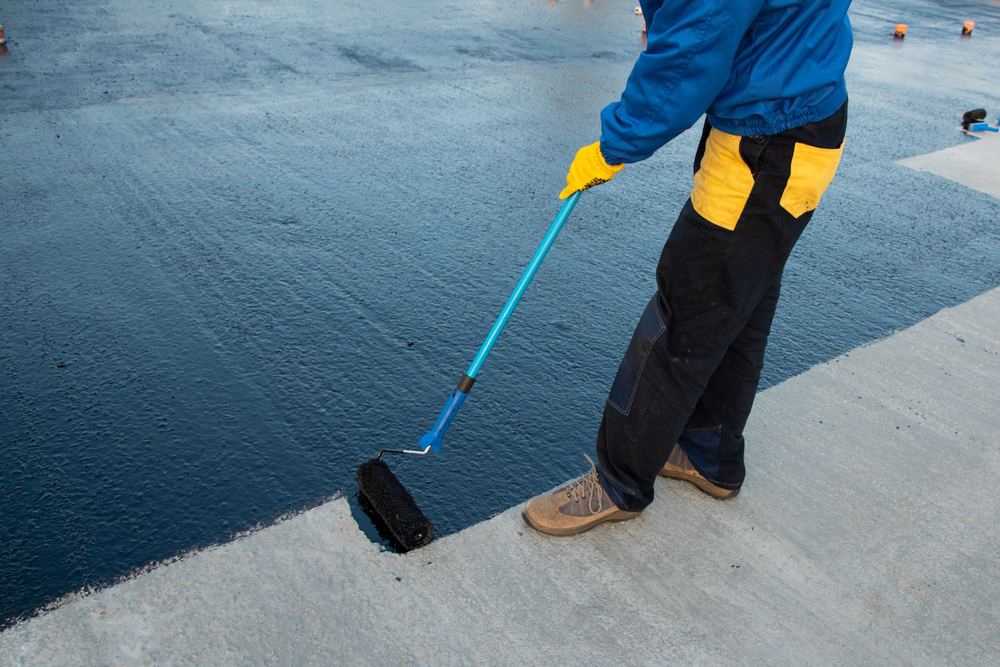
Industrial coatings perform best when they are applied to a properly prepared surface. In Vancouver, BC, constant moisture, coastal air, and changing weather conditions can quickly expose weaknesses in surface preparation, leading to coating failure long before its expected service life.
Quick Answer
Proper surface preparation is the foundation of every successful industrial coating project. Removing contaminants, repairing damaged substrates, and creating the correct surface profile helps coatings bond properly and perform as intended. In a coastal environment like Vancouver, BC, inadequate preparation can lead to premature corrosion, peeling, blistering, and costly repairs.
What Local Readers Should Know
-
Vancouver’s coastal climate exposes industrial structures to frequent moisture, rainfall, and salt-laden air that accelerate corrosion.
-
Surface contaminants such as oil, grease, rust, and old coatings prevent industrial coatings from bonding correctly.
-
Different substrates, including steel, concrete, and aluminum, require different preparation methods before coating application.
-
Industrial facilities throughout Richmond, Burnaby, North Vancouver, Surrey, and the Port of Vancouver often face challenging environmental exposure that makes preparation especially important.
-
Investing in proper preparation usually extends coating performance and helps reduce future maintenance costs.
Why This Matters Locally
Industrial facilities across Metro Vancouver operate in one of Canada’s wettest urban environments. Frequent rainfall, high humidity, and marine air create ideal conditions for corrosion on structural steel, tanks, bridges, marine infrastructure, manufacturing facilities, and commercial buildings.
Areas near Burrard Inlet, False Creek, the Fraser River, and the Port of Vancouver experience additional exposure to salt and moisture, increasing the demands placed on protective coatings.
Hydro Tech understands that successful industrial coating projects begin well before the first coat is applied. We focus on preparing every surface correctly because long-term coating performance depends on the quality of the foundation beneath it.
Local Data and Field Observations
Environment and Climate Change Canada consistently reports that Vancouver experiences significant annual rainfall and prolonged periods of high humidity. These conditions create ongoing moisture exposure that can accelerate corrosion and shorten coating life if surfaces are not properly prepared. Professional field observations across Metro Vancouver also show that moisture trapped beneath coatings is one of the most common causes of premature coating failure.
How Surface Preparation Impacts Industrial Coating Performance
Proper surface preparation directly affects coating adhesion, durability, and longevity. Even premium industrial coatings cannot perform as designed if they are applied over contamination or deteriorated substrates.
Preparation typically includes:
-
Removing rust and corrosion
-
Eliminating grease, oil, and contaminants
-
Removing failing or incompatible coatings
-
Repairing damaged concrete or steel surfaces
-
Creating the appropriate surface profile for coating adhesion
-
Ensuring the substrate is clean and dry before application
Each of these steps helps the coating form a durable bond with the underlying material.
Common Surface Preparation Methods
Different industrial projects require different preparation techniques depending on the substrate, operating environment, and coating system.
Abrasive Blasting
Abrasive blasting removes rust, mill scale, and existing coatings while creating the surface profile required for many protective coating systems.
Power Tool Cleaning
Mechanical preparation using grinders, needle scalers, and rotary tools can be appropriate for localized repairs or maintenance work where full abrasive blasting is not practical.
Pressure Washing
High-pressure water cleaning removes dirt, salts, loose coatings, and other contaminants before additional preparation steps.
Chemical Cleaning
Degreasers and specialty cleaners help eliminate oils, grease, and industrial contaminants that could interfere with coating adhesion.
Concrete Surface Preparation
Concrete may require grinding, shot blasting, scarifying, or crack repairs before coatings are applied to industrial floors or structural components.
Local Impact
Industrial facilities throughout Vancouver, Burnaby, Richmond, and Delta often operate continuously, making unplanned shutdowns expensive. Premature coating failure can expose steel to corrosion, increase maintenance costs, interrupt operations, and shorten the lifespan of valuable assets.
For marine facilities near English Bay or industrial operations along the Fraser River, proper preparation becomes even more critical because coatings face continuous exposure to moisture and salt.
Warning Signs That Surface Preparation May Be Inadequate
Watch for these signs before or after coating work:
-
Peeling or flaking coatings
-
Blistering beneath the coating surface
-
Rust appearing through new coatings
-
Poor coating adhesion around edges
-
Uneven coating appearance
-
Visible contaminants beneath coatings
-
Early coating failure in isolated areas
These symptoms often indicate underlying preparation issues rather than problems with the coating itself.
When to Call a Professional
Industrial property managers can visually inspect surfaces for rust, coating damage, or contamination. However, determining the correct preparation method requires evaluating the substrate, coating specifications, environmental conditions, and intended service environment.
Professional assessment becomes especially important when projects involve structural steel, marine infrastructure, tanks, manufacturing facilities, or safety-critical assets.
Common Local Causes of Surface Preparation Challenges
Coastal Moisture
Persistent humidity and rainfall increase the risk of flash rusting after cleaning if coatings are not applied within the appropriate timeframe.
Salt Contamination
Facilities near the coastline accumulate salt deposits that must be removed before coating application.
Aging Infrastructure
Many industrial facilities throughout Metro Vancouver include aging steel and concrete that require extensive preparation before recoating.
Existing Failed Coatings
Older coatings that have lost adhesion must be properly removed before new systems are installed.
Industrial Contaminants
Manufacturing operations frequently expose surfaces to oils, chemicals, dust, and other contaminants that interfere with adhesion.
Prevention and Maintenance
Industrial property owners can reduce coating failures by:
-
Scheduling routine coating inspections.
-
Addressing corrosion before it spreads.
-
Cleaning industrial surfaces regularly.
-
Repairing damaged coatings promptly.
-
Planning recoating projects during suitable weather conditions whenever possible.
-
Following manufacturer preparation requirements for each coating system.
Preventative maintenance often costs less than repairing widespread coating failure.
Expected Results
Proper surface preparation helps industrial coatings achieve stronger adhesion, improved durability, better corrosion protection, and longer service life. While coating lifespan depends on environmental exposure, maintenance practices, and coating selection, quality preparation provides the best opportunity for long-term performance.
Common Mistakes
Mistake: Coating over rust or old failing paint.
Consequence: Premature peeling and corrosion.
Better approach: Remove deteriorated materials before coating.
Mistake: Skipping contaminant removal.
Consequence: Poor adhesion and blistering.
Better approach: Thoroughly clean surfaces before coating.
Mistake: Using the wrong preparation method.
Consequence: Insufficient surface profile for coating performance.
Better approach: Match preparation techniques to the substrate and coating specifications.
Mistake: Applying coatings to damp surfaces.
Consequence: Moisture becomes trapped beneath the coating.
Better approach: Verify surface conditions before application.
Common Local Scenario
A manufacturing facility in Metro Vancouver schedules a planned maintenance shutdown to repaint structural steel. During inspection, technicians discover hidden corrosion beneath sections of failing coating. Rather than applying new coating immediately, the affected areas are properly cleaned, repaired, and prepared before recoating. This additional preparation helps reduce the likelihood of early coating failure and extends the performance of the protective system.
Related Service Solutions
Proper surface preparation supports many industrial coating services, including:
-
Abrasive blasting
-
Industrial painting
-
Corrosion protection
-
Protective coating systems
-
Concrete coatings
-
Steel structure coating
-
Maintenance recoating
-
Surface restoration
Comparing Your Options
| Option | Advantages | Limitations |
|---|---|---|
| Minimal surface cleaning | Lower initial cost | Increased risk of coating failure |
| Professional surface preparation | Better coating adhesion and longer performance | Higher upfront preparation effort |
| Spot repairs only | Suitable for isolated damage | May not address widespread deterioration |
| Full preparation and recoating | Comprehensive long-term protection | Larger project scope |
Service Areas
We provide industrial coating solutions throughout Vancouver, BC, as well as Richmond, Burnaby, Surrey, North Vancouver, Delta, and surrounding Metro Vancouver communities. Our services support industrial, commercial, and infrastructure projects across the region.
Cost of Ignoring the Issue
Delaying proper surface preparation can result in premature coating failure, accelerated corrosion, additional downtime, and higher repair costs. Addressing preparation requirements before coating application is generally more cost-effective than correcting failed coating systems later.
Frequently Asked Questions
Why is surface preparation especially important in Vancouver, BC?
Proper surface preparation is especially important because Vancouver’s wet climate and coastal air expose industrial structures to ongoing moisture and corrosion. Preparing the substrate correctly helps coatings withstand these demanding conditions.
Can industrial coatings be applied over existing paint?
Sometimes, but only if the existing coating is compatible, firmly bonded, and properly prepared. Loose or failing coatings generally need to be removed before recoating.
What preparation method works best for steel?
The best preparation method depends on the coating specification, substrate condition, and service environment. Abrasive blasting is commonly specified for many industrial steel applications.
Does coastal air affect industrial coatings near the Port of Vancouver?
Yes. Salt-laden air can accelerate corrosion and increase the importance of thorough cleaning and preparation before coatings are applied.
How often should industrial coatings be inspected in Metro Vancouver?
Regular inspections help identify early signs of coating deterioration before significant corrosion develops. Inspection frequency depends on the operating environment and coating system.
Can poor surface preparation shorten coating life?
Yes. Poor preparation is one of the leading causes of premature coating failure because contaminants and inadequate surface profiles reduce adhesion.
Are concrete surfaces prepared differently than steel?
Yes. Concrete often requires grinding, shot blasting, crack repairs, or moisture evaluation, while steel preparation focuses on removing corrosion and creating the appropriate surface profile.
Is surface preparation worth the investment?
Yes. Proper preparation helps coatings perform as intended and may reduce future maintenance and repair costs over the life of the coating system.
Closing
Industrial coatings are only as effective as the surface beneath them. For facilities throughout Vancouver and the surrounding Metro Vancouver region, investing in proper surface preparation helps maximize coating performance, reduce maintenance needs, and protect valuable infrastructure from the area’s challenging coastal environment.
Protect Your Industrial Assets with Proper Surface Preparation
Our team is committed to delivering thorough surface preparation and quality industrial coating solutions designed for Vancouver’s demanding conditions.
Categorised in: Industrial Coatings
This post was written by admin