

Why Warehouse Maintenance Should Include Regular Coating Inspections
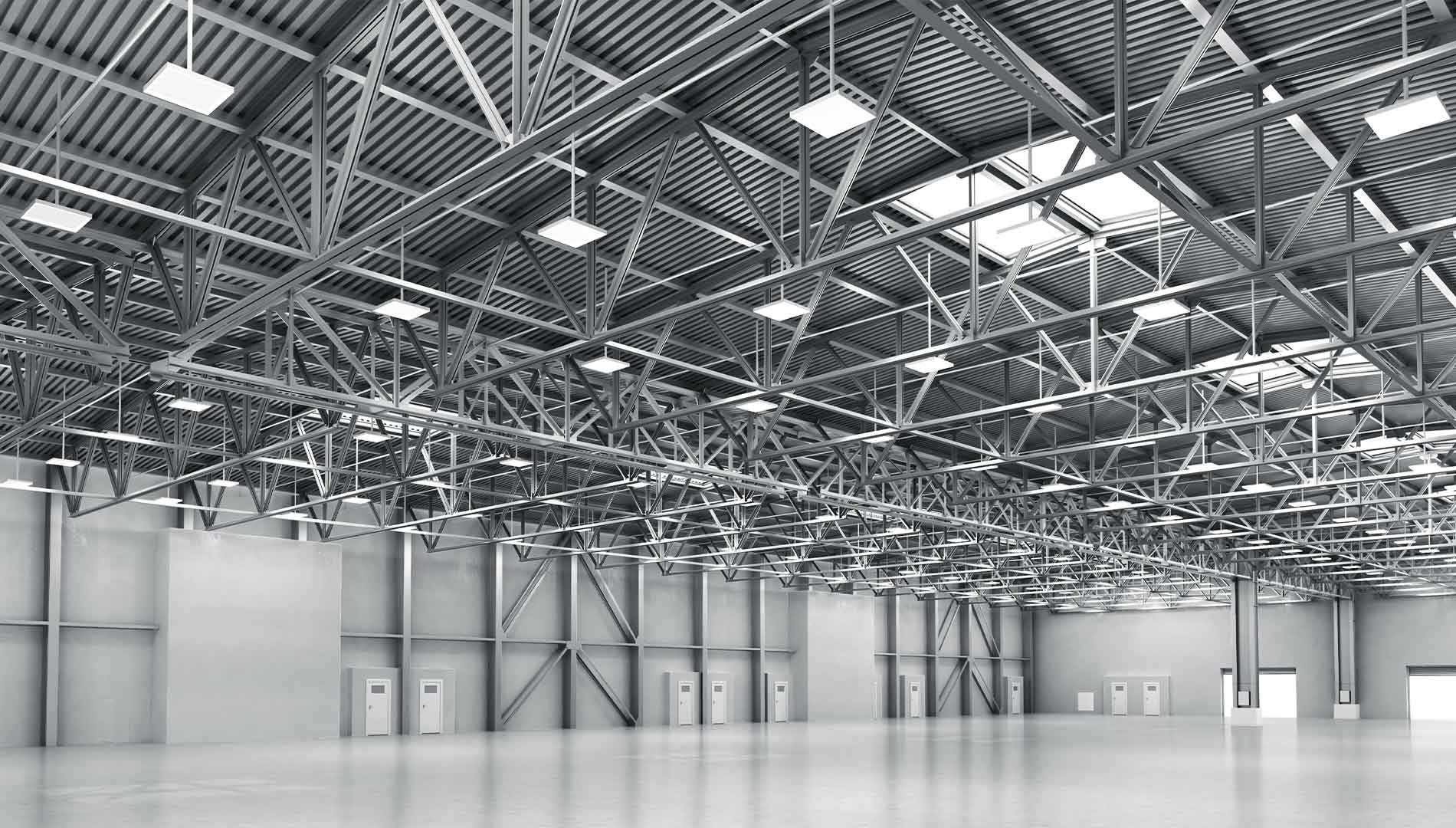
Warehouse facilities take a beating every single day. Forklifts roll across concrete floors, chemicals splash against walls, moisture seeps into unprotected surfaces, and temperature swings stress every material in the building. Most facility managers stay on top of the obvious maintenance tasks: checking the roof, servicing the HVAC systems, inspecting loading dock equipment. But one critical area that often gets overlooked until damage is already visible is the condition of industrial coatings across floors, walls, ceilings, and structural steel.
Incorporating industrial coatings and inspections into your regular maintenance schedule is not just a smart practice; it is a foundational element of protecting your facility investment for the long term.
The Role Industrial Coatings Play in a Warehouse Environment
Industrial coatings are not decorative. They exist to protect surfaces from the harsh physical and chemical stresses that are unique to warehouse and industrial environments. Floor coatings shield concrete from oil, chemical spills, abrasion, and impact damage. Wall coatings prevent moisture intrusion and resist mold growth. Coatings on structural steel guard against corrosion that can silently compromise the integrity of the entire building.
When these coatings are in good condition, they function almost invisibly. The floor stays clean, the walls stay dry, and the steel stays strong. The problems begin when coatings start to fail and nobody notices until significant damage has already occurred. That is precisely why routine industrial coatings and inspections are so important. A trained inspector can identify early signs of coating degradation long before that degradation turns into a costly structural or safety problem.
Coatings in warehouse environments face specific challenges. High traffic areas see constant abrasion. Loading docks are exposed to extreme temperature changes as doors open and close throughout the day. Areas near battery charging stations or chemical storage face exposure to corrosive substances. Each of these zones requires coating systems designed for those specific conditions, and each requires periodic evaluation to confirm the coating is still performing as intended.
Common Warning Signs That Inspections Will Catch Early
One of the most compelling arguments for scheduling regular industrial coatings and inspections is the ability to catch problems while they are still inexpensive to fix. Coating failures rarely happen overnight. They progress through identifiable stages, and a trained eye can spot the early warning signs that an untrained observer would walk right past.
Peeling and delamination are among the most obvious signs of coating failure, but they represent a stage that has already progressed well beyond the earliest warning. Before peeling occurs, there is often blistering, which indicates that moisture or gases are trapped beneath the coating surface. Blistering can develop from poor surface preparation during the original application, from ongoing moisture intrusion, or from exposure to chemicals that break down the adhesion between the coating and the substrate.
Cracking and checking are other early indicators. Small hairline cracks in a floor coating may seem minor, but they create pathways for water, oils, and chemicals to reach the underlying concrete or steel. Once those substances reach the substrate, damage accelerates dramatically. Staining and discoloration can signal chemical exposure that is actively degrading the coating from the top down. Chalking on walls or ceilings, where the coating surface becomes powdery to the touch, indicates ultraviolet degradation or resin breakdown.
Regular inspection schedules allow facility managers to document these changes over time and respond to them strategically rather than reactively. Instead of scrambling to address a floor that has failed in the middle of a busy season, you have the information you need to plan recoating during a scheduled downtime window.
How Coating Failures Create Safety and Compliance Risks
A warehouse is a regulated work environment, and the condition of surfaces throughout that facility has direct implications for worker safety and regulatory compliance. This is one of the most urgent reasons to keep industrial coatings and inspections at the top of the maintenance agenda.
Deteriorating floor coatings create immediate slip-and-fall hazards. When epoxy or polyurethane floor coatings begin to peel, they create uneven surfaces that are hazardous for foot traffic and forklift operation alike. Exposed concrete that was originally coated for chemical resistance no longer provides that protection, meaning that spills can penetrate the floor and create secondary hazards. In facilities that handle food products, pharmaceuticals, or other regulated goods, coating failures can create contamination risks that trigger regulatory action.
Corrosion on structural steel is a safety concern that goes beyond surface appearance. Steel that has lost its protective coating and has begun to rust is not just an aesthetic problem; it is a structural problem. The rate of corrosion accelerates once a coating fails, and without regular inspection, the extent of the damage can be far greater than it appears from the surface. Facilities that allow coating failures to go unaddressed may find themselves facing not just repair costs but liability exposure related to structural integrity.
OSHA and EPA regulations both have implications for industrial coating maintenance. Facilities that allow chemical containment coatings to fail may find themselves in violation of environmental regulations. Regular inspections create a documented record of due diligence that can be valuable if regulatory questions ever arise.
Building an Effective Coating Inspection Program
Understanding why inspections matter is only the first step. The next step is building a practical program that integrates seamlessly into your existing maintenance operations. An effective industrial coatings and inspections program does not need to be complicated, but it does need to be consistent and thorough.
Start by mapping your facility and categorizing zones by their coating requirements and risk levels. High-traffic floor areas, chemical storage zones, loading docks, and structural steel in areas with high humidity all deserve more frequent inspection than interior office or break room walls. Create a documentation system that records the condition of each area, photographs any defects, and tracks changes from one inspection cycle to the next. This historical record is invaluable for identifying patterns and predicting where failures are likely to occur next.
Determine the appropriate frequency for each zone. Low-risk interior surfaces may only need an annual inspection. High-traffic floor areas in active picking zones may benefit from quarterly review, especially in the first few years after a recoating project, when you are still learning how the new coating system performs under your specific conditions.
Work with a qualified industrial coating contractor to establish clear condition rating criteria. Knowing what a rating of “good,” “fair,” or “poor” looks like in concrete terms helps ensure that inspections are consistent across time and across different personnel. It also makes it easier to set action thresholds: for example, if any zone drops to a “fair” rating, it goes on the schedule for recoating within six months.
Training your internal maintenance staff to conduct basic visual inspections between scheduled professional reviews adds another layer of protection. They do not need to be coating experts; they simply need to know what to look for and how to document what they find.
Conclusion
Protecting a warehouse facility requires attention to every system and surface that keeps it operational and safe. Industrial coatings and inspections are not a one-time consideration at the end of a construction or renovation project. They are an ongoing responsibility that pays dividends through extended surface life, reduced repair costs, safer working conditions, and stronger regulatory standing. Building regular coating inspections into your maintenance calendar is one of the highest-return investments a facility manager can make, and it is a practice that separates proactive operations from those that are always reacting to the next expensive problem.
Categorised in: Industrial Coatings
This post was written by admin